
Proxy Error 429 in Janitor AI: Causes, Fixes & Long-Term Solutions
Practical guide to fix Janitor AI Proxy Error 429: causes, quick fixes, developer backoff code, and long-term solutions.
Apr 8, 2026



Is web scraping legal? This guide includes a quick decision, key cases and laws, and a step-by-step checklist to minimize risks.
Web scraping is a powerful tool for extracting online data, but its legality often sparks debate. The short answer: It's not inherently illegal, but it depends on factors like data type, access method, and jurisdiction. Done right—focusing on public, non-personal facts without bypassing controls—risks are low. However, scraping personal data, copyrighted content, or using it for commercial AI training can lead to lawsuits or fines. We will cover basics first, then risks, laws, and best practices to help you scrape responsibly.
Web scraping automates the extraction of data from websites into structured formats like CSV files or databases. It's like a bot browsing pages and organizing info for analysis, monitoring, research, price tracking, lead gen, or AI model training. Tools range from simple scripts (e.g., Python's BeautifulSoup) to advanced platforms.
Crawling: Scanning sites to discover pages at scale.
Scraping: Pulling structured data (e.g., from HTML, JSON, images).
Data Mining/ML Training: Analyzing or using scraped data for insights or models—this layers on IP, privacy, and regulatory risks.
Worries stem from lawsuits, headlines, and regulations. Developers ask: "Can I scrape public data for a hobby project?" Businesses wonder about competitor intel. Researchers seek academic clarity. AI teams face scrutiny under new rules like the EU AI Act (enforcement began Aug 2, 2026), which bans untargeted scraping for high-risk AI like facial recognition. Misuse—e.g., server overloads or PII theft—fuels concerns, but ethical scraping of public facts is often defensible.
Myth 1: Always Illegal. False—no blanket ban. Public data is often okay if compliant.
Myth 2: Same as Hacking. No; public scraping isn't "unauthorized access" under CFAA unless barriers are bypassed.
Myth 3: All Online Data is Fair Game. Facts yes; creative content/PII no.
Myth 4: Robots.txt is Binding. Advisory only; evidence of policy, not statutory shield (per Ziff Davis).
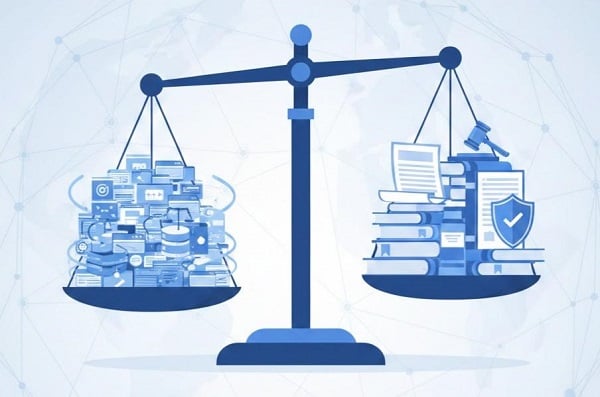
Before starting, evaluate your setup. Use the below for a quick check—factors like jurisdiction (e.g., US vs. EU) influence outcomes.
| Access / Data Type | Public Page (No Auth) | Behind Login/Paywall | Bypassed via Tricks |
| Public Factual Data (e.g., prices, hours) | Low | Medium-High | High |
| User Content (e.g., comments, forums) | Medium | High | High |
| Personal Data/PII (e.g., emails, biometrics) | High | Very High | Very High |
| Copyrighted Expressive Works (e.g., articles, images) | Medium | High | Very High |
Low = Generally safe if ethical; High = Seek legal advice
Proceed only if all three are true:
1. The page is publicly accessible without circumventing technical controls (e.g., no CAPTCHA solvers).
2. The content is factual/non-expressive (e.g., prices, not full articles) and excludes PII.
3. You won't republish expressive content or use data for commercial AI training without licenses.
If any fail, opt for APIs, licenses, or counsel. This test aligns with 2026 trends favoring public fact access but cracking down on circumvention.
GDPR (EU/EEA/UK): Requires lawful basis for PII processing; mandates DPIAs for high-risk activities. Fines reached €5.88B by 2026.
CCPA/CPRA (California): Grants residents data rights; enforcement targets scraping PII without consent.
LGPD (Brazil) & Others: Similar global frameworks—always check local applicability.
U.S. CFAA: Prohibits unauthorized access. Post-Van Buren (2021), courts focus on bypassing barriers and fact-sensitive rulings.
Facts aren't copyrightable, but expressive content is. EU's sui generis database rights protect curated collections.
Bars bypassing tech measures. Courts debate if robots.txt qualifies—recent rulings (e.g., Ziff Davis) say no, but it's evolving.
Clickwrap agreements (e.g., checkbox acceptance) are enforceable; browsewrap (passive) less so. Breaches can lead to claims even if other laws don't apply.
Effective 2026, it classifies scraping for AI as high-risk if involving biometrics or untargeted data collection. Bans certain practices; requires transparency for general-purpose AI models.
hiQ Labs v. LinkedIn (Settled 2022): Allowed scraping public profiles but settled with hiQ paying $500k and stopping. Lesson: Breaching ToS via deception invites CFAA liability.
Ziff Davis v. OpenAI (Dec 2025 Ruling): Dismissed DMCA claims (robots.txt not a "technological measure"), but copyright infringement proceeds. Shows DMCA limits but opens IP suits.
Reddit v. Anthropic (Ongoing 2026): In discovery; focuses on contract breaches for scraping user comments in AI training. No ruling yet, but signals platforms' push against unlicensed commercial use.
Google v. SerpApi (Hearing May 2026): Motion to dismiss argues search results aren't copyrighted; tests DMCA for anti-bot systems. SerpApi claims public access defense.
Clearview AI (Ongoing Penalties): Multi-jurisdictional fines (e.g., EU bans, 2026 B.C. Canada appeal loss) for biometric scraping. Demonstrates global risks for facial data.
Key Takeaway: 2026 trends favor public fact scraping but ramp up actions against PII, circumvention, and AI training on unlicensed content.
Legality is the floor; ethics prevents issues.
Define your business purpose and retention period. Map the data fields and check for PII (emails, health data, biometric data).
Use official APIs whenever possible. Do not bypass logins, CAPTCHA, or paywalls. No credential stuffing or fake accounts.
Determine if scraped items are expressive (articles, images). If yes, plan to transform, excerpt, or license. For databases, check local database-sui-generis rules (EU) if applicable.
Record any clickwrap ToS you accept; browsewrap is weaker but relevant as evidence. Save a snapshot of robots.txt and the page’s ToS with timestamps.
Rate-limit and back off on errors; be gentle on small servers. Avoid collecting PII where not strictly necessary; anonymize or hash what you must keep. Log everything: timestamps, responses, user-agent, IPs used, code snapshot.
Respect Site Load: Exponential backoff, polite user-agents. Tip: Use high-quality rotating proxies for ethical IP rotation, helping distribute requests and prevent accidental blocks while honoring site limits.
Logging & Provenance: Record requests, ToS snapshots—defends good faith.
Avoid PII/Biometrics: Document lawful basis if needed; EU AI Act bans untargeted collection.
No Circumvention: Skip CAPTCHA solvers or IP spoofing.
For Developers/Hobbyists: Small-scale public facts; no redistribution.
For Marketers/Teams: APIs for analytics; anonymize outputs.
For Researchers/Academics: Get IRB approval; aggregate data.
To minimize risks, consider:
Use licensed/public-domain datasets.
Attach provenance (URLs, dates).
Redact PII; assess model risks.
Plan for suits (e.g., Anthropic's 2025 $1.5B settlement analog).
Comply with EU AI Act: Transparency for GPAI models
Stop immediately and consult counsel if you plan to:
Process personal data of EU/UK residents without a documented lawful basis.
Bypass authentication, paywalls, or technical blocks.
Use scraped content to train a commercial AI model on scraped copyrighted content without a license.
Receive a formal cease-and-desist, takedown notice, or legal process.
Q: Is robots.txt legally binding?
A: No — typically advisory. Courts often treat it as evidence of a site’s access policy, but robots.txt alone may not create a statutory anti-circumvention claim.
Q: Can I scrape public social profiles?
A: Possibly, but outcomes depend on facts (how you accessed the data, whether you breached ToS, and what you do with the data). Some courts have protected scraping of public data; others have allowed contract claims.
Q: Can I use scraped content to train models?
A: It’s risky for commercial models if the content includes copyrighted expression or PII. Many platform owners are suing to block commercial model training on unlicensed content.
Q: What if a website has a ToS that forbids scraping?
A: Explicit clickwrap ToS are more enforceable than passive browsewrap; breaching a clear contract can create liability even where other claims are weak.
Web scraping is powerful but demands caution; its legality is fact-specific. Use the decision test, APIs, and logs to minimize exposure. In 2026, with rising DMCA suits and AI regs, ethics pays off. When unsure—especially for AI or commercial uses—consult counsel early. A license or rate limit can avert big issues.
< Previous
Next >


 Cancel anytime No credit card required